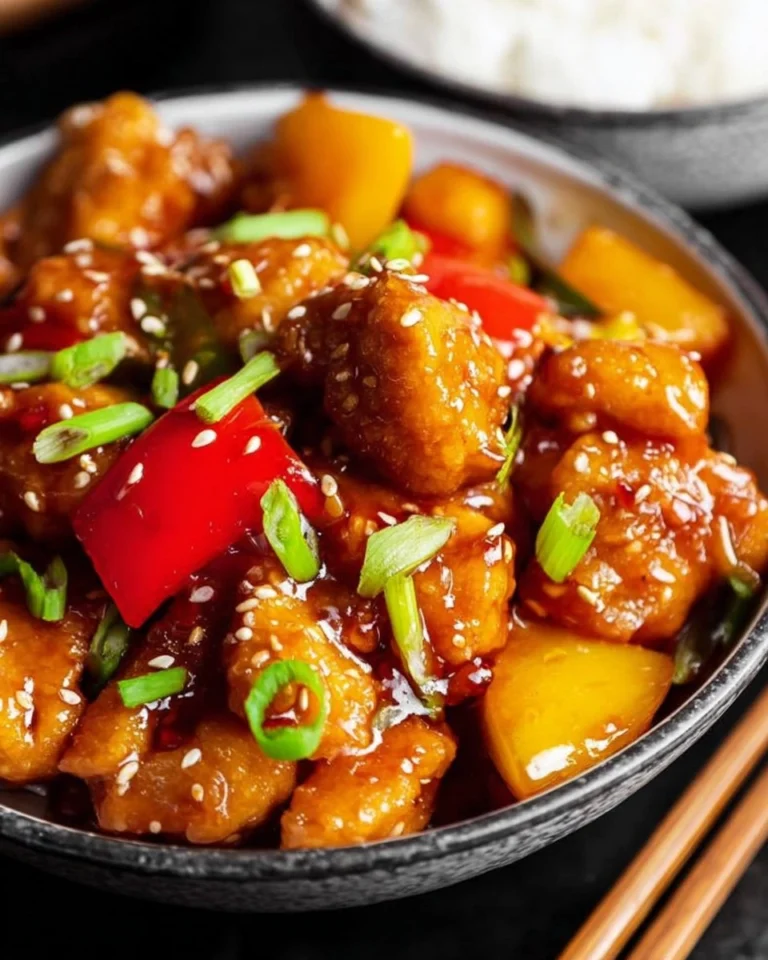
Shrimp Pad Thai

Shrimp Pad Thai is a culinary wonder that brings together the zesty flavors of Thai cuisine in a comforting and satisfying way. With the perfect balance of chewy rice noodles, tender shrimp, crisp vegetables, and a tangy sauce, each bite is an explosion of flavor. As you toss it all together, the aroma that fills your kitchen is undeniably irresistible, making you eager to dig in.
Table of Contents
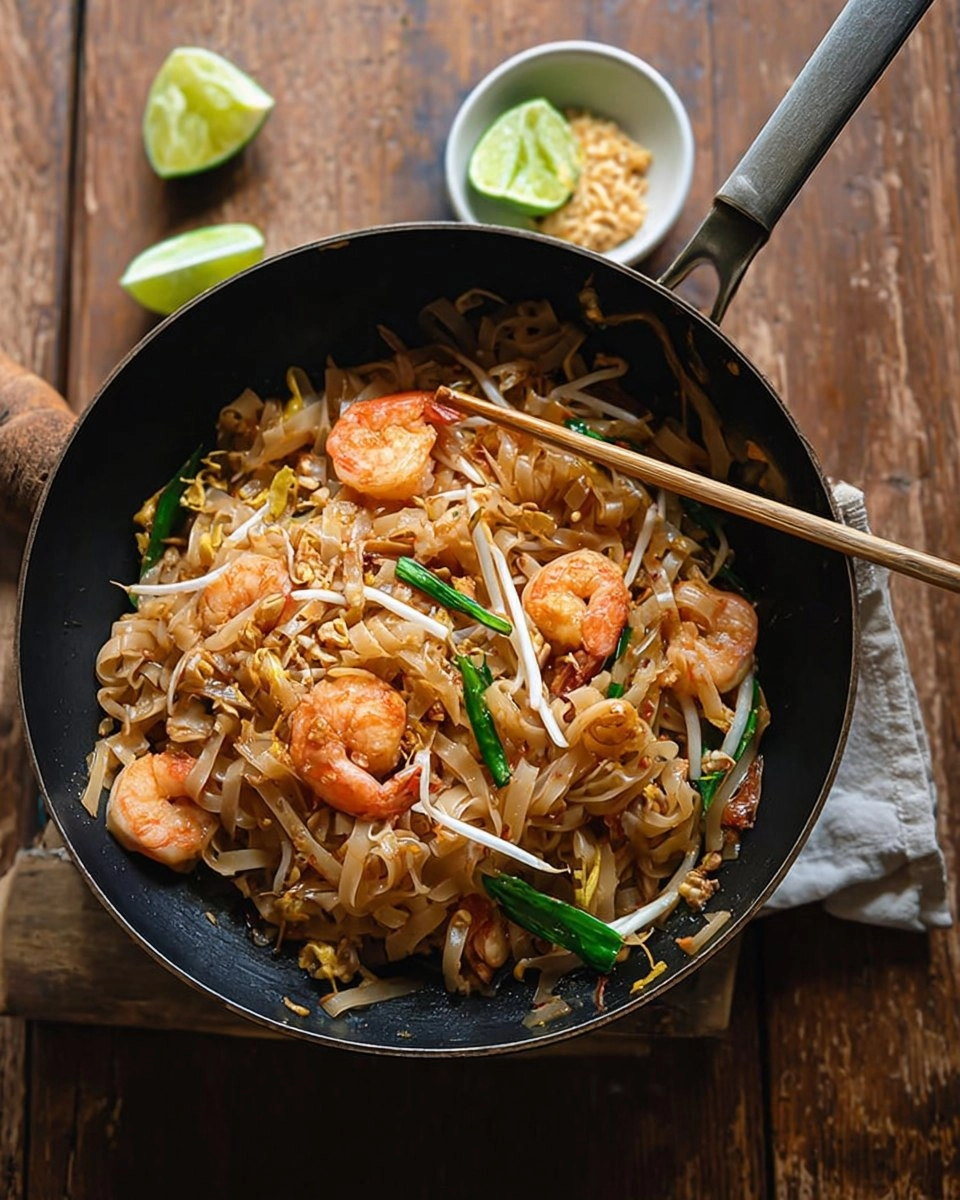
I remember the first time I tried making Shrimp Pad Thai at home. I was hesitant at first, worried it wouldn’t compare to the restaurant version I’d grown to love. But with a few simple ingredients and a little patience, I discovered that preparing this delicious dish could be just as rewarding – not to mention, a fraction of the price! This recipe is a foolproof way to impress friends and family or simply indulge in a delicious weeknight meal. I can’t wait for you to try it!
Why You’ll Love This Recipe
- Simple & Quick: Ready in just about 30 minutes, this dish is perfect for busy evenings!
- Irresistible Flavor: Featuring a combination of sweet, salty, and tangy notes, your taste buds will be dancing with delight.
- Eye-Catching Appeal: Bright colorful ingredients come together to create a beautiful plate.
- Flexible Serving: Enjoy it as a hearty lunch, a festive dinner party dish, or even a midnight snack.
- Diet-Friendly Options: Easily adaptable for different dietary needs – gluten-free noodles or tofu instead of shrimp work great!
Ingredients You’ll Need
- 8 oz rice noodles: These chewy noodles are the base of your dish. Look for flat rice noodles, and you can substitute with vermicelli if needed.
- 1 lb shrimp, peeled and deveined: Fresh or frozen shrimp adds protein and a tender texture, but chicken or tofu works too.
- 2 tablespoons vegetable oil: This oil helps to stir-fry the ingredients without sticking. Can substitute with peanut oil for a nutty flavor.
- 2 eggs: Adds richness and helps bind everything together. Use any eggs you have on hand.
- 1 cup bean sprouts: These crunchy sprouts provide texture and freshness. If unavailable, substitute with shredded cabbage.
- 2 green onions, chopped: Adding a mild onion flavor; they’re best when fresh. You can use shallots if you prefer.
- 1/4 cup crushed peanuts: These are for garnish, adding a pleasant crunch. Almonds can be a viable alternative.
- 1/4 cup Pad Thai sauce: Look for a good-quality store-bought sauce or make your own with tamarind paste and sugar.
- Lime wedges for serving – the acidity enhances the flavors beautifully.
How to Make Shrimp Pad Thai
- Soak the rice noodles: Begin by soaking 8 oz of rice noodles in warm water for about 15 minutes, or until they’re pliable but still firm. Drain and set aside.
- Heat the oil: In a large skillet or wok, heat 2 tablespoons of vegetable oil over medium-high heat until shimmering but not smoking.
- Cook the shrimp: Add 1 lb of shrimp, cooking for 2-3 minutes or until they turn pink and opaque. Remove and set aside.
- Scramble the eggs: In the same pan, crack in 2 eggs. Stir them gently until they are just set, taking care not to overcook.
- Stir-fry the noodles: Add the soaked rice noodles to the pan, mixing gently. Pour in 1/4 cup of Pad Thai sauce and toss to coat well.
- Add veggies: Fold in 1 cup of bean sprouts and 2 chopped green onions, stirring for about 2 minutes to combine everything evenly.
- Return the shrimp: Add the cooked shrimp back to the skillet, tossing everything together until heated through.
- Serve it up: Plate the dish, garnishing with 1/4 cup crushed peanuts and lime wedges on the side for that zesty finish.
Storing & Reheating
To store any leftover Shrimp Pad Thai, let it cool to room temperature before placing it in an airtight container in the refrigerator. It should stay fresh for up to three days. If you want to keep it longer, you can freeze it in a freezer-safe container for up to three months. To reheat, just thaw overnight in the fridge and warm it up in the microwave or on the stovetop until heated through. Keep in mind that the texture may change slightly after freezing, but a splash of lime juice can help revive it!
Chef’s Helpful Tips
- Make sure not to overcook the eggs; they should remain soft and fluffy, adding creamy richness to the dish.
- Don’t skip the soaking step for the noodles! It’s key for achieving the perfect tenderness.
- Feel free to add colorful veggies like bell peppers or broccoli for more nutrition and visual appeal.
- For extra flavor, try adding a dash of fish sauce or sriracha for heat during the stir-fry process.
- If you have time, marinate your shrimp in a bit of soy sauce and garlic ahead of cooking for an added flavor boost.
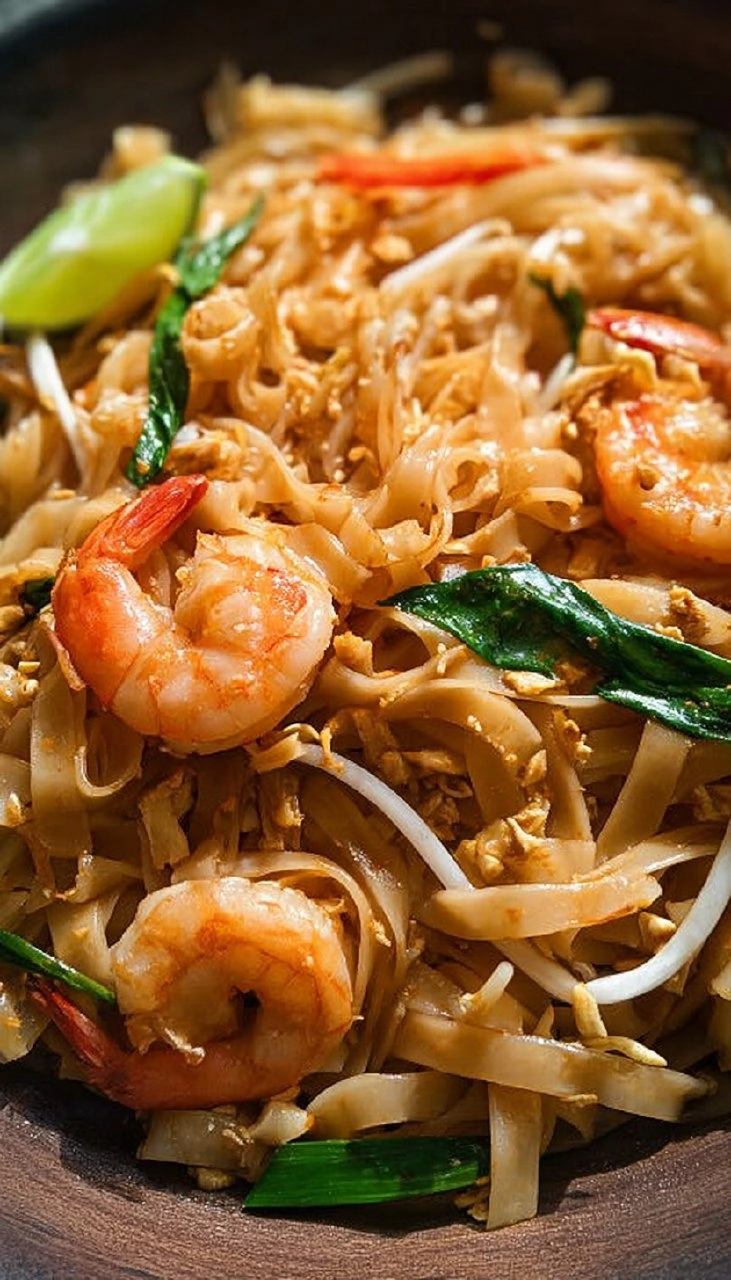
Shrimp Pad Thai is not just a meal; it’s an experience! Whether sharing it with loved ones or savoring it yourself, this dish offers an explosion of taste that brings joy to the dining table. I encourage you to play around with different ingredients and flavors to make it your own. Enjoy every delightful bite!
Recipe FAQs
Can I make Shrimp Pad Thai ahead of time?
Absolutely! You can prep many ingredients in advance. Soaking the noodles, chopping vegetables, and even cooking the shrimp can all be done a few hours ahead. Just assemble and stir-fry when you’re ready to eat.
What can I use instead of shrimp?
No problem! Chicken, tofu, or even beef can work as protein alternatives. Just adjust cooking times accordingly, as chicken will take longer to cook through.
Is Pad Thai sauce difficult to make?
Not at all! If you prefer homemade sauce, simply mix 3 tablespoons of tamarind paste, 2 tablespoons of soy sauce, 1 tablespoon of sugar, and a squeeze of lime juice. Adjust to taste!
Why did my noodles turn mushy?
If you over-soak or overcook the noodles, they can become mushy. Keep an eye on them, and always cook until just tender. If they sit in the pan too long after soaking, they may become soft once stir-fried.
PrintMore Dinner Recipes
Did You Enjoy Making This Recipe? Please rate this recipe with ⭐⭐⭐⭐⭐ or leave a comment.
📖 Recipe Card
Shrimp Pad Thai
- Prep Time: NaN minutes
- Cook Time: NO DATA
- Total Time: 0 hours
- Yield: 4 servings
- Category: Dinner
- Method: Stir-fry
- Cuisine: Thai
Description
Shrimp Pad Thai is a delightful dish featuring tender rice noodles, succulent shrimp, and vibrant veggies. This recipe is simple to prepare, making it an ideal choice for a quick and satisfying meal. Perfect for weeknight dinners or a cozy night in!
Ingredients
- rice noodles
- tamarind purée
- fish sauce
- light brown sugar
- vegetable oil
- shrimp
- shallot
- minced garlic
- chilli flakes
- eggs
- bean sprouts
- green onions
- peanuts
- lime wedges
Instructions
- Soak the rice noodles in hot water for 30-40 minutes until mostly softened. Mix the tamarind purée, fish sauce, and light brown sugar, then set aside for the sugar to dissolve.
- In a large wok, heat 1 tbsp of vegetable oil and add the shrimp. Cook until the shrimp turns pink on both sides, then remove from the pan and set aside.
- Add another tbsp of oil to the wok, then stir fry chopped shallot, minced garlic, and chilli flakes for one minute. Drain the noodles and add them to the wok with some water clinging to them, along with the mixed sauce. Stir-fry for 1-2 minutes until the noodles are soft but still slightly chewy.
- Move the noodles to one side of the wok and break in 2 eggs. Let the eggs cook for 30 seconds, then pile the noodles on top and cook for a few more seconds until the eggs are set, tossing lightly to combine.
- Add the bean sprouts, green onions, cooked shrimp, and half of the peanuts. Toss everything together until the onions are slightly wilted but the bean sprouts remain crunchy. Serve with lime wedges and the remaining peanuts.
Notes
Adjust the level of chilli flakes according to your heat preference.
For a vegetarian version, substitute shrimp with tofu or more vegetables.
Make sure not to overcook the noodles to maintain the right texture.
Nutrition
- Serving Size: 1 serving
- Calories: 350
- Sugar: 2g
- Sodium: 800mg
- Fat: 12g
- Saturated Fat: 2g
- Unsaturated Fat: 8g
- Trans Fat: 0g
- Carbohydrates: 45g
- Fiber: 2g
- Protein: 15g
- Cholesterol: 140mg