Pad Thai

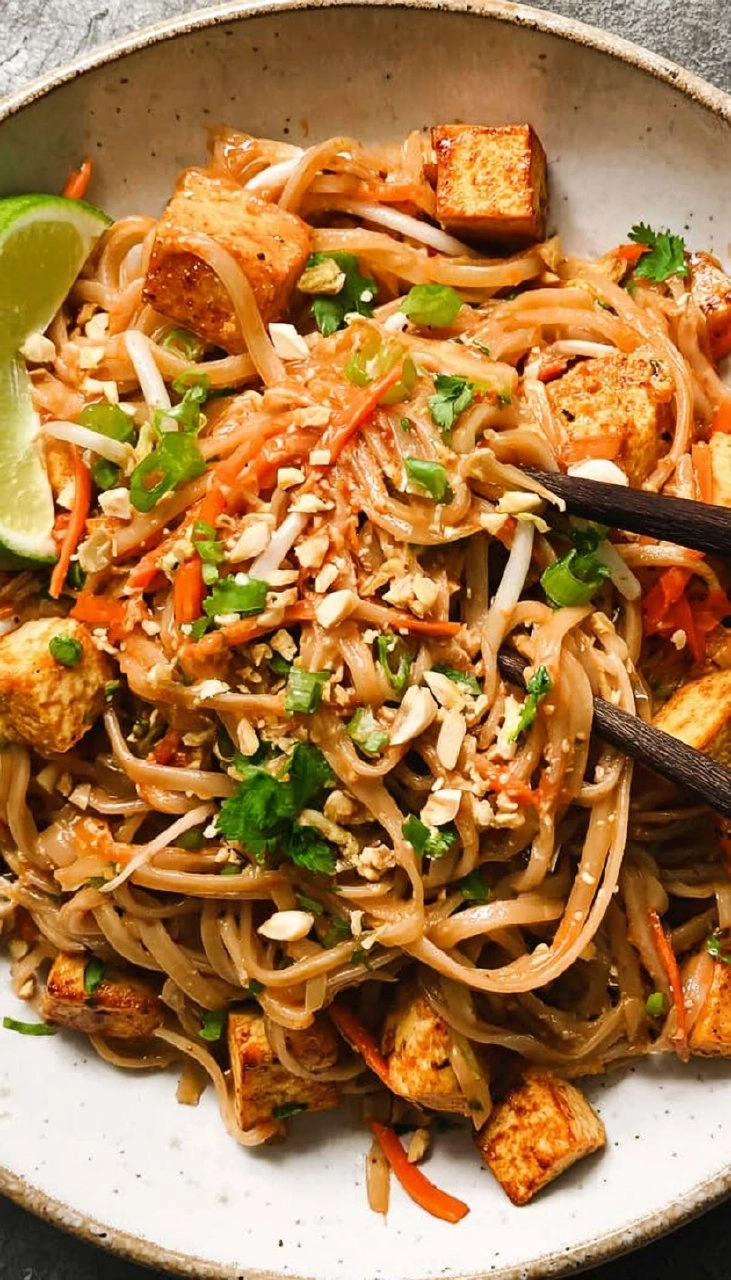
Pad Thai is one of those iconic dishes that beautifully balances sweet, sour, salty, and spicy flavors. Originating from Thailand, this stir-fried noodle dish is a staple that has won the hearts (and appetites) of many around the globe. Picture a warm, inviting plate of noodles glistening with a luscious sauce, veggies adding a pop of color, and crispy tofu offering flecks of texture. It’s perfect for a cozy dinner, a special occasion, or even a casual get-together with friends. Getting that authentic taste right at home shouldn’t feel overwhelming, and I’m here to assure you it can be effortless and delicious!
Table of Contents
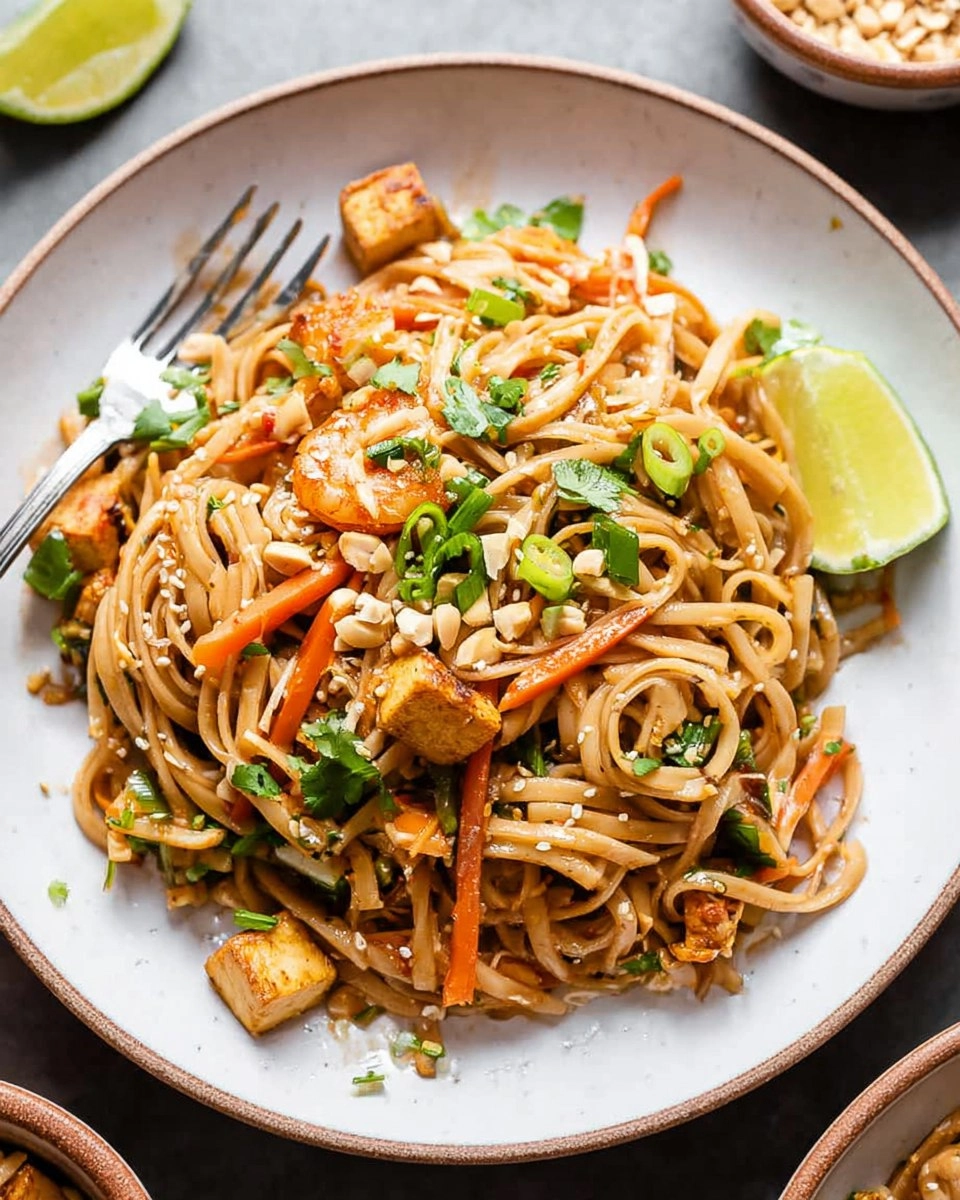
I remember the first time I savored homemade Pad Thai—it completely blew my mind. The balance of flavors and the joyful crunch of fresh toppings made it so much better than what you often get in takeout containers. This easy Pad Thai recipe serves a crowd and allows you to enjoy the vibrant flavors of traditional Thai cuisine right in your kitchen. With a bit of time and the right ingredients, you can whip up a dish that’s not only budget-friendly but also a delightful experience for your taste buds. Trust me, you’ll be eager to throw this into your regular rotation, and I can’t wait for you to try it!
Why You’ll Love This Recipe
- Simple & Quick: Ready in about 30 minutes, this recipe is perfect for busy weeknights.
- Irresistible Flavor: The combination of peanut butter, tamarind, and spices creates a stunning taste explosion!
- Eye-Catching Appeal: Spectacular colors make this dish as pleasing to the eyes as it is to the palate.
- Flexible Serving: Enjoy it hot for dinner or as a delightful dish for potlucks and parties.
- Diet-Friendly Options: Easy to customize—make it vegetarian or vegan by using just veggies and tofu!
Ingredients You’ll Need
- 2 tablespoons soy sauce: A key ingredient for that savory flavor; you can use low-sodium soy sauce if preferred.
- 3 tablespoons water (or fish sauce): This adds extra depth to your sauce; swap with vegetable broth for a vegetarian version.
- 5 tablespoons light brown sugar: This gives sweetness and balances out the tangy notes; coconut sugar works too!
- 2 tablespoons tamarind paste (or lime juice): Provides that signature tartness; lime juice is a great substitute.
- 1 tablespoon lime juice: Adds freshness; key to balancing flavors in dishes like this.
- 1 tablespoon chili sauce: Choose your heat level here; Sriracha or another favorite will add a nice kick.
- 3 tablespoons peanut butter: Brings creaminess and richness; opt for natural peanut butter for a healthier version.
- 8 ounces udon noodles (or pad thai noodles): Udon works great, but Pad Thai rice noodles offer the traditional taste.
- 14 ounces extra firm tofu (cut into ½” cubes): A fantastic protein source, crispy tofu gives a lovely texture; you might also use shrimp or chicken.
- 4 tablespoons peanut oil (divided): Essential for frying; can substitute with another vegetable oil if needed.
- ½ teaspoon garlic powder: A convenient way to infuse flavor without mincing fresh garlic.
- ¼ teaspoon fine sea salt: Enhances the overall taste of the dish.
- ¼ teaspoon ground ginger: Adds warmth; fresh ginger will brighten things up even more!
- 1 tablespoon minced garlic: The aroma is unbeatable when you sauté fresh garlic.
- 1 cup carrots (julienned): Sweet and crunchy, they offer wonderful color and nutrition.
- ¼ cup green onions (finely sliced): These add a delightful freshness as a topping.
- 2 eggs: Scramble to contribute a rich texture and flavor.
- 1 ½ cups bean sprouts (4.5 ounces): Crisp and fresh, they create a delightful crunch.
- ¼ cup peanuts (crushed): Adds an irresistible crunch as a garnish.
- ¼ cup cilantro (chopped): Brightens the dish and adds a herbaceous note.
How to Make Pad Thai Recipe
Cook the Noodles: Bring a large pot of water to a boil. Add 8 ounces of udon noodles (or pad Thai noodles) and cook according to the package directions. Drain the noodles, but don’t rinse them, as you want to keep the starch that helps the sauce cling better.
Prepare the Sauce: In a small bowl, whisk together 2 tablespoons of soy sauce, 3 tablespoons of water (or fish sauce), 5 tablespoons of light brown sugar, 2 tablespoons of tamarind paste (or lime juice), 1 tablespoon of lime juice, 1 tablespoon of chili sauce, and 3 tablespoons of peanut butter until smooth. If the peanut butter is too thick, briefly warm the mixture to help with whisking.
Cook the Tofu: Heat 2 tablespoons of peanut oil in a wok or large fry pan over high heat. Add the 14 ounces of extra firm tofu cubes. Stir frequently and cook until the tofu starts to brown slightly.
Season the Tofu: Sprinkle the garlic powder, ¼ teaspoon of fine sea salt, and ¼ teaspoon of ground ginger over the tofu and stir to ensure it’s evenly coated. Continue cooking until the tofu is golden brown.
Add Vegetables: Add 1 cup of julienned carrots, ¼ cup of finely sliced green onions, 1 tablespoon of minced garlic, and another tablespoon of peanut oil. Stir and cook over medium-high heat until the carrots have softened, remembering to stir often.
Scramble the Eggs: Once the vegetables are cooked, lower the heat and move the mix to one side of the pan. In the empty space, add another tablespoon of peanut oil followed by 2 beaten eggs. Cook and scramble until the eggs are fully cooked.
Combine Everything: Add the cooked noodles, 1 ½ cups of bean sprouts, crushed peanuts, chopped cilantro, and the pre-made sauce. Stir everything together until well combined, cooking for an additional 5 minutes over medium-high heat, while occasionally tossing to coat everything in sauce.
Serve: Once everything is well-mixed and the sauce begins to stick slightly to the Pad Thai, serve immediately. You can sprinkle extra crushed peanuts, chopped cilantro, and sliced green onions on top for a beautiful finish!
Storing & Reheating
If you’ve got leftovers, store them in an airtight container at room temperature for a couple of hours. For longer storage, refrigerate for up to 3 days. You can even freeze your Pad Thai for up to 3 months—simply cool it completely before packing it away in a freezer-friendly container. When you’re ready to enjoy it again, reheat on the stove over low heat or in the microwave until warmed through, adding a splash of water to refresh the noodles and prevent them from drying out.
Chef’s Helpful Tips
- Avoid overcooking your tofu to maintain its delightful texture; firm tofu is best for this recipe.
- For a smoother sauce, make sure to warm the peanut butter slightly before mixing it with the liquids.
- Keeping all your ingredients prepped and ready to go (a technique called mise en place) will make your cooking experience a breeze.
- If the noodles are sticking, adjust your heat and add a splash of oil or water instead of boiling them more.
- Feel free to toss in whatever veggies you have on hand, such as bell peppers or snow peas, to make it your own.
You’ll find that this Pad Thai recipe is not only delicious but also a canvas for your culinary creativity. Tailor it to suit your preferences, and don’t hesitate to play with the toppings and flavors. The beautiful harmony of ingredients will never get old!
Recipe FAQs
Can I make Pad Thai vegan?
Absolutely! Replace the eggs and consider adding more vegetables or tofu for protein. The dish remains yummy and satisfying without any animal products.
What type of noodles should I use?
While traditional Pad Thai uses rice noodles, udon noodles work beautifully too. Select whichever you prefer or have on hand!
How can I adjust the spice level?
You can scale the chili sauce up or down based on your preference. If you’re sensitive to spice, start with less and adjust as you stir in the sauce.
Can I make this ahead of time?
While it’s best fresh, you can prep all your ingredients in advance. The cooked Pad Thai will last in the fridge for a few days, but the textures change slightly because of the noodles absorbing moisture.
PrintMore Dinner Recipes
- Thai Red Chicken Curry
- Simple Air Fryer Roast Chicken
- Shrimp Pad Thai
- Air Fryer Chicken Bites
- Tofu Curry
Did You Enjoy Making This Recipe? Please rate this recipe with ⭐⭐⭐⭐⭐ or leave a comment.
📖 Recipe Card
Pad Thai
- Prep Time: 20 minutes
- Cook Time: 20 minutes
- Total Time: 40 minutes
- Yield: 8 servings 1x
- Category: Dinner
- Method: Stir-fry
- Cuisine: Thai
Description
This Pad Thai recipe offers an irresistible blend of flavors with simple prep. Packed with udon noodles, tofu, and veggies, it’s perfect for a quick dinner or healthy meal.
Ingredients
- 2 tablespoons soy sauce
- 3 tablespoons water
- 5 tablespoons light brown sugar
- 2 tablespoons tamarind paste
- 1 tablespoon lime juice
- 1 tablespoon chili sauce
- 3 tablespoons peanut butter
- 8 ounces udon noodles
- 14 ounces extra firm tofu
- 4 tablespoons peanut oil
- ½ teaspoon garlic powder
- ¼ teaspoon fine sea salt
- ¼ teaspoon ground ginger
- 1 tablespoon minced garlic
- 1 cup carrots
- ¼ cup green onions
- 2 eggs
- 1 ½ cups bean sprouts
- ¼ cup peanuts
- ¼ cup cilantro
Instructions
- Bring a large pot of water to a boil.
- Add the noodles and cook according to the package directions.
- Drain the noodles, but do not rinse.
Notes
Feel free to substitute the udon noodles for pad thai noodles.
Make sure to use extra firm tofu for the best texture.
Nutrition
- Serving Size: 1 serving
- Calories: 420
- Sugar: 12g
- Sodium: 700mg
- Fat: 20g
- Saturated Fat: 3g
- Unsaturated Fat: 15g
- Trans Fat: 0g
- Carbohydrates: 50g
- Fiber: 4g
- Protein: 15g
- Cholesterol: 90mg